

Ceramic Window Tint vs Traditional Options mainly differ in heat rejection, durability, clarity, signal compatibility, and cost. Ceramic tint usually offers stronger heat and UV protection, while dyed, carbon, and metallic films may suit drivers looking for a more budget-friendly option.
That is why customers often ask us at J Smooth Window Tinting whether ceramic tint is worth the upgrade. The answer depends on how you use your vehicle and what matters most to you.
For car owners in Middleborough, MA, those differences can affect comfort, visibility, and long-term performance. With more than 10 years of tinting experience, we help drivers understand these trade-offs so they can choose the right film with confidence.
Ceramic Window Tint vs Traditional Options: What Is the Main Difference?
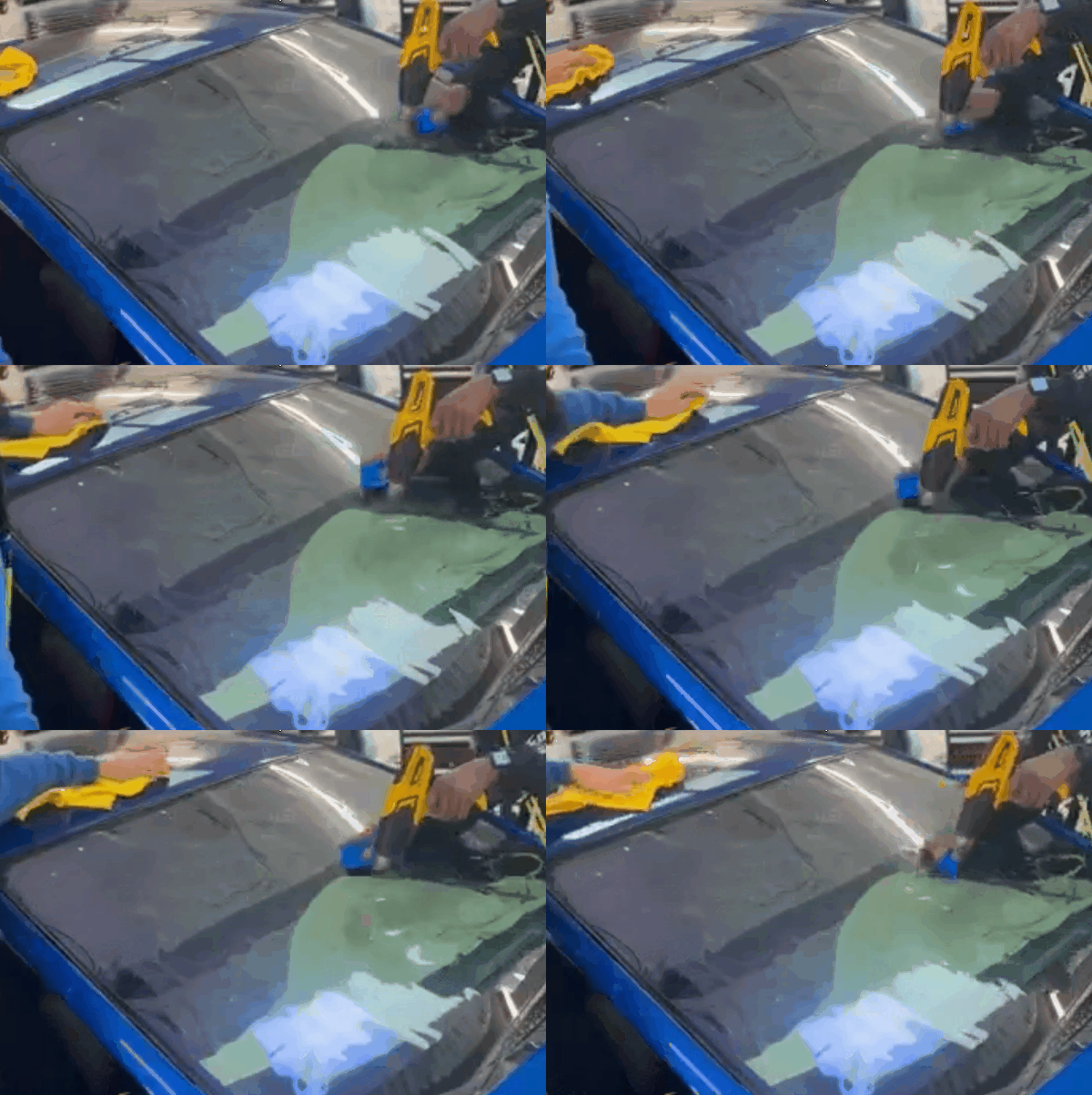
The biggest difference between Ceramic Window Tint vs Traditional Options comes down to how each film is constructed and how it manages solar energy.
Dyed window film primarily uses dye to reduce incoming visible light. Carbon film incorporates carbon particles and generally provides a step up in heat performance and color stability. Metallic window film contains metal-based components that can reflect solar energy. Ceramic window film uses advanced non-metal ceramic technology to provide high levels of heat management without relying solely on dark shades.
Here is a simple comparison:
Feature | Ceramic Film | Carbon Film | Dyed Film | Metallic Film |
Heat rejection | High to very high | Moderate to high | Basic to moderate | Moderate to high |
Signal compatibility | Excellent | Generally excellent | Generally excellent | Possible interference |
Color stability | Strong | Strong | Varies | Generally strong |
Optical clarity | High | Good | Varies | Varies |
Typical price range | Premium | Mid-range | Entry-level | Mid-range |
Best suited for | Maximum performance | Performance/value balance | Budget and appearance | Reflective solar control |
We always encourage drivers to compare the actual film specifications rather than choosing based solely on a product name or how dark the sample looks.
What Makes Ceramic Window Tint Different?
When discussing Ceramic Window Tint vs Traditional Options, nano ceramic technology is one of the most important differences.
Ceramic window film uses microscopic ceramic-based particles or layers engineered to manage incoming solar energy. Unlike metallic film, quality ceramic tint does not need metal components to achieve strong performance.
That gives ceramic film several advantages that are particularly useful in modern vehicles, including strong infrared heat rejection, excellent optical clarity, UV ray protection, and compatibility with electronic signals.
If you want a deeper explanation of the technology itself, we cover it in our guide to how ceramic window tint works.
Why Can Ceramic Tint Block Heat Without Being Extremely Dark?
This is one of the biggest misconceptions we encounter.
A dark-looking window does not automatically mean better heat rejection.
Visible light transmission, commonly called VLT, measures how much visible light passes through the glass. Infrared heat rejection measures something different.
That distinction is important when comparing Ceramic Window Tint vs Traditional Options. Advanced ceramic window film can target infrared energy even at lighter visible shades. You can therefore achieve meaningful heat control without automatically choosing the darkest film available.
For drivers who want a cleaner, lighter appearance while still improving cabin comfort, that can be a major advantage.
Ceramic vs Dyed Window Tint
Dyed film is one of the most familiar types of car window tint, and it still has a place in the market.
If your main priorities are adding privacy, changing your vehicle’s appearance, reducing glare, and keeping the initial cost lower, dyed window film can accomplish those goals.
However, Ceramic Window Tint vs Traditional Options becomes more significant when long-term performance enters the conversation.
Basic dyed film relies more heavily on its dye layer to absorb incoming light and solar energy. Depending on film quality and exposure, some dyed films can lose color stability as they age. Lower-quality products may eventually fade or develop discoloration.
Ceramic film is designed differently. Quality ceramic products provide stronger color stability while offering significantly more advanced heat-management capabilities.
Why Does Ceramic Tint Tend to Last Longer?
Window tint durability depends on several factors, including the quality of the film, installation, sun exposure, storage conditions, maintenance, and manufacturer warranty.
From an installation perspective, we never recommend judging durability by film category alone. A quality film professionally installed and properly cared for is always a better investment than choosing a product only because of a label.
That said, premium ceramic construction is designed for long-term performance and resistance to the fading associated with lower-grade dyed films.
Clear visibility is one of those benefits drivers continue to appreciate long after installation. When heat reduction, glare control, and optical clarity work together, every drive feels more comfortable and more natural, regardless of the season.
Ceramic vs Carbon Window Tint
For many of our customers, ceramic vs carbon window tint is actually the most useful comparison.
Carbon window film sits between basic dyed film and premium ceramic products for many drivers. It offers solid heat control, good color stability, and non-metal construction. That makes carbon window tint for cars an attractive option when someone wants better performance without necessarily stepping up to the highest tier.
Ceramic film takes heat management further.
When comparing ceramic window tint vs traditional options, we generally suggest thinking of carbon as a strong performance-and-value balance and ceramic as the choice for drivers placing greater emphasis on infrared heat rejection and overall thermal performance.
At J Smooth Window Tinting, our automotive window tint options in Middleborough include High Performance Carbon, Ceramic, and Infrared Ceramic tiers. That gives us the flexibility to recommend a film based on how you actually use your vehicle instead of trying to push every customer toward the same product.
Ceramic vs Metallic Window Tint

Metallic window film takes a different approach to solar control. These films incorporate metal-based materials that can help reflect incoming solar energy.
They can perform effectively, but there is another consideration: signal interference.
Some metallic window films can affect radio-frequency signals. With modern vehicles depending increasingly on GPS navigation, smartphones, satellite systems, and connected technology, this can matter more today than it did years ago.
Ceramic film uses non-metal construction, which means it can offer advanced heat performance without introducing the same signal-interference concern.
When discussing ceramic window tint vs traditional options, we make this distinction carefully. Not every traditional film interferes with electronic signals. Carbon and dyed films are generally non-metal. Signal interference is primarily a consideration when comparing ceramic film with certain metallic window films.
Why Heat Rejection Matters in Middleborough, MA
Massachusetts may not have Florida or Arizona weather, but anyone who has opened a car after it has been parked in direct summer sun knows how uncomfortable the cabin can become.
Your dashboard, seats, steering wheel, and interior surfaces absorb solar energy while the car is parked. During a longer drive, sunlight entering through untreated glass can also contribute to discomfort.
That is why heat rejection matters when comparing ceramic window tint vs traditional options.
A quality heat blocking window film can reduce the amount of solar energy entering through treated glass. Ceramic film takes this further by focusing heavily on infrared heat rejection.
The benefit is not limited to extremely hot days, either. Glare and direct sunlight can affect
comfort throughout different seasons in Massachusetts.
We explore the seasonal side of this topic further in our guide to window tint benefits during Massachusetts summers.
Which Type of Car Window Tint Is Right for You?
There is no one-size-fits-all answer to Ceramic Window Tint vs Traditional Options. Each category fits a different combination of priorities.
Consider Dyed Tint If…
Dyed window film may suit you if keeping the upfront price low is your biggest consideration and your priorities are primarily appearance, privacy, and glare reduction.
Consider Carbon Tint If…
Carbon is worth considering when you want a stronger balance between cost and performance. It can offer good heat rejection, color stability, and non-metal construction without moving directly to premium ceramic film.
Consider Ceramic Tint If…
Ceramic car tint makes sense when heat rejection, optical clarity, UV protection, signal compatibility, and long-term performance are high priorities.
If your vehicle spends a lot of time outside or you regularly deal with direct sunlight while driving, the increased thermal performance can be particularly valuable.
Consider Infrared Ceramic If…
Infrared ceramic window tint is designed for drivers placing maximum emphasis on heat management.
We offer an Infrared Ceramic tier as part of our professional car window tinting services in Middleborough, allowing customers to compare it directly with our carbon and ceramic options.
Why Professional Installation Matters
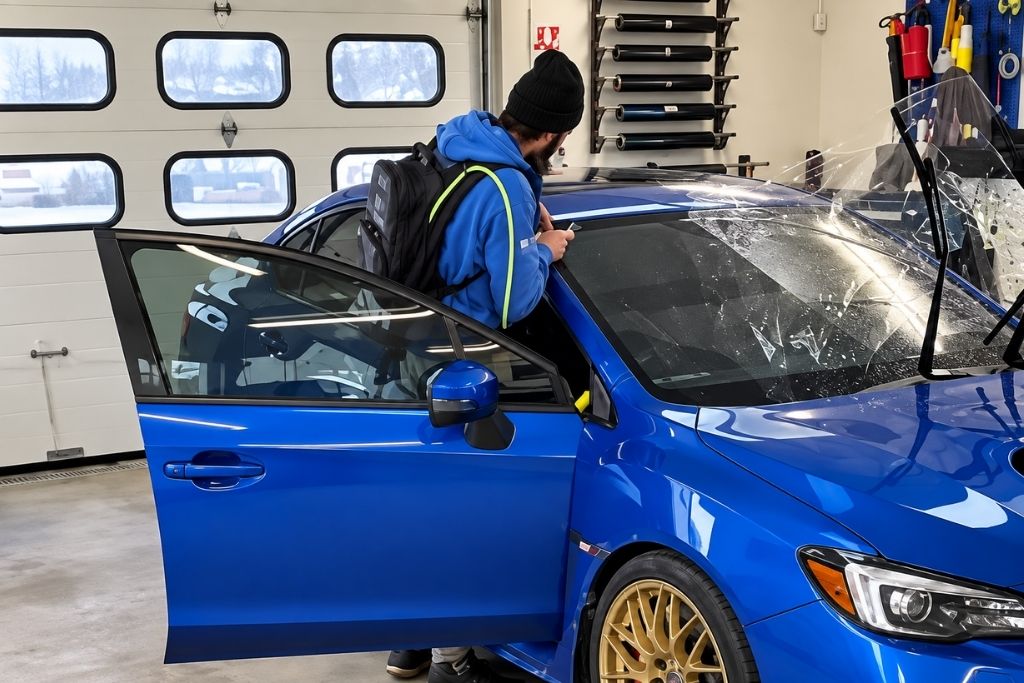
Even the best window film needs to be installed correctly.
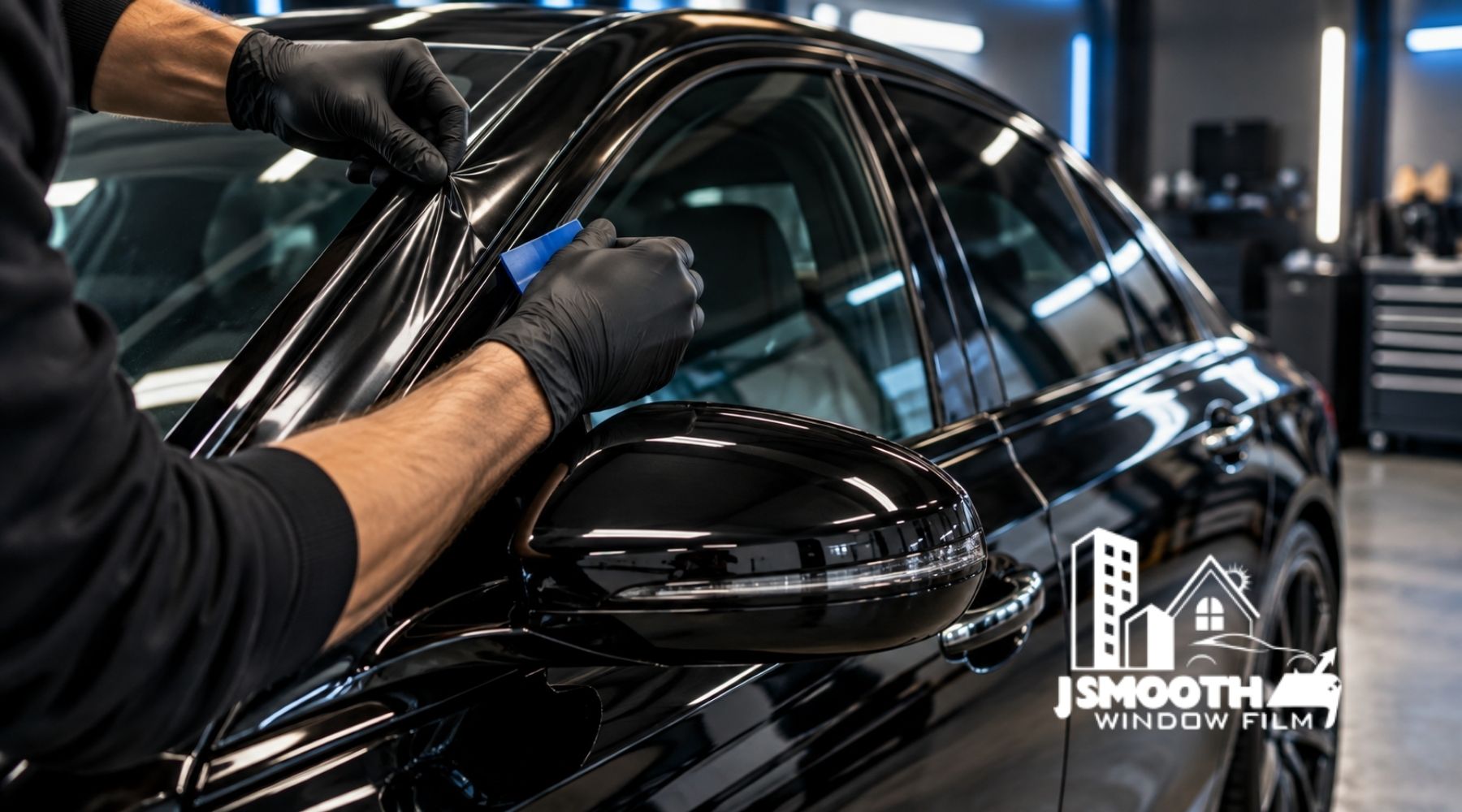
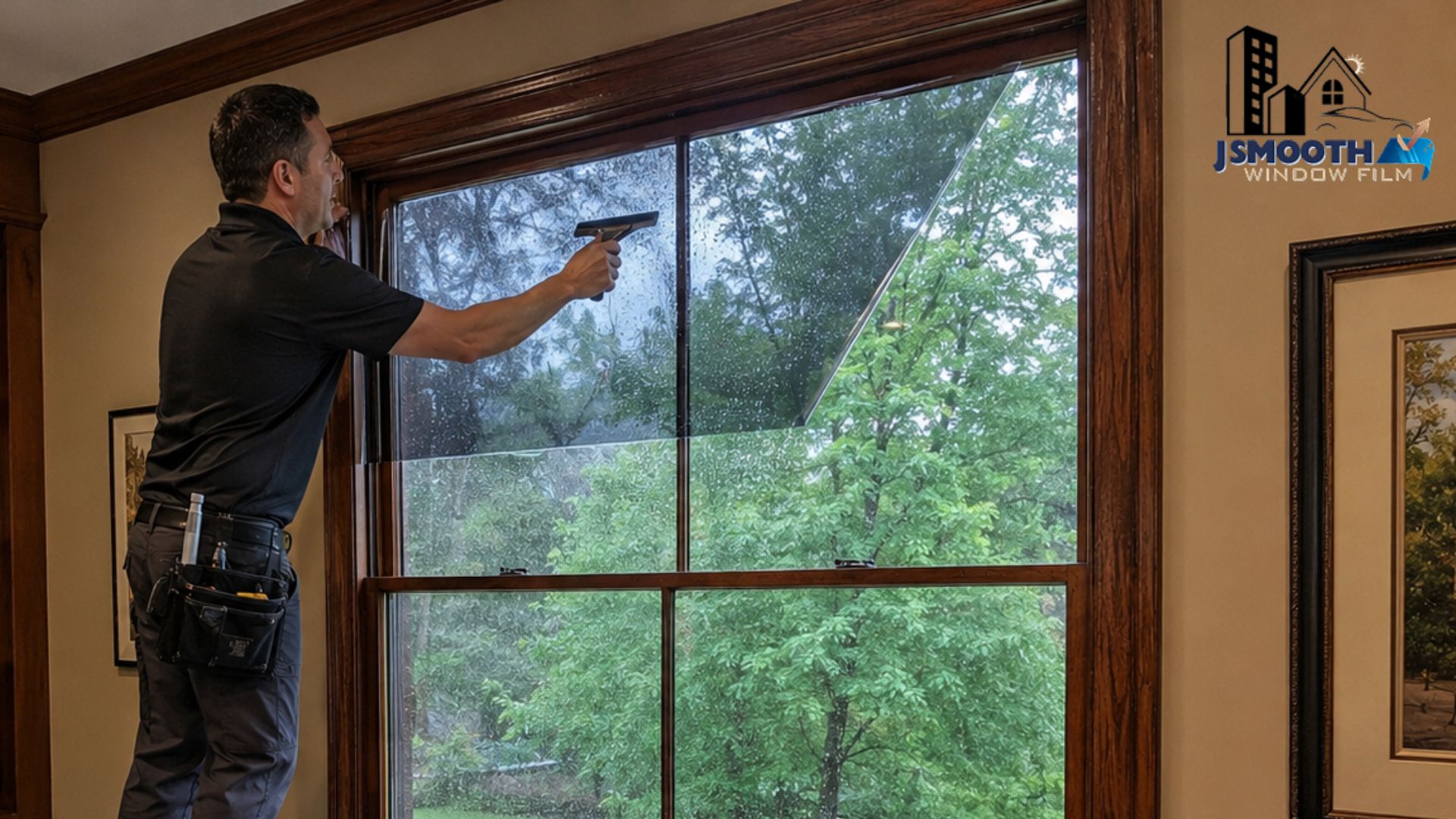
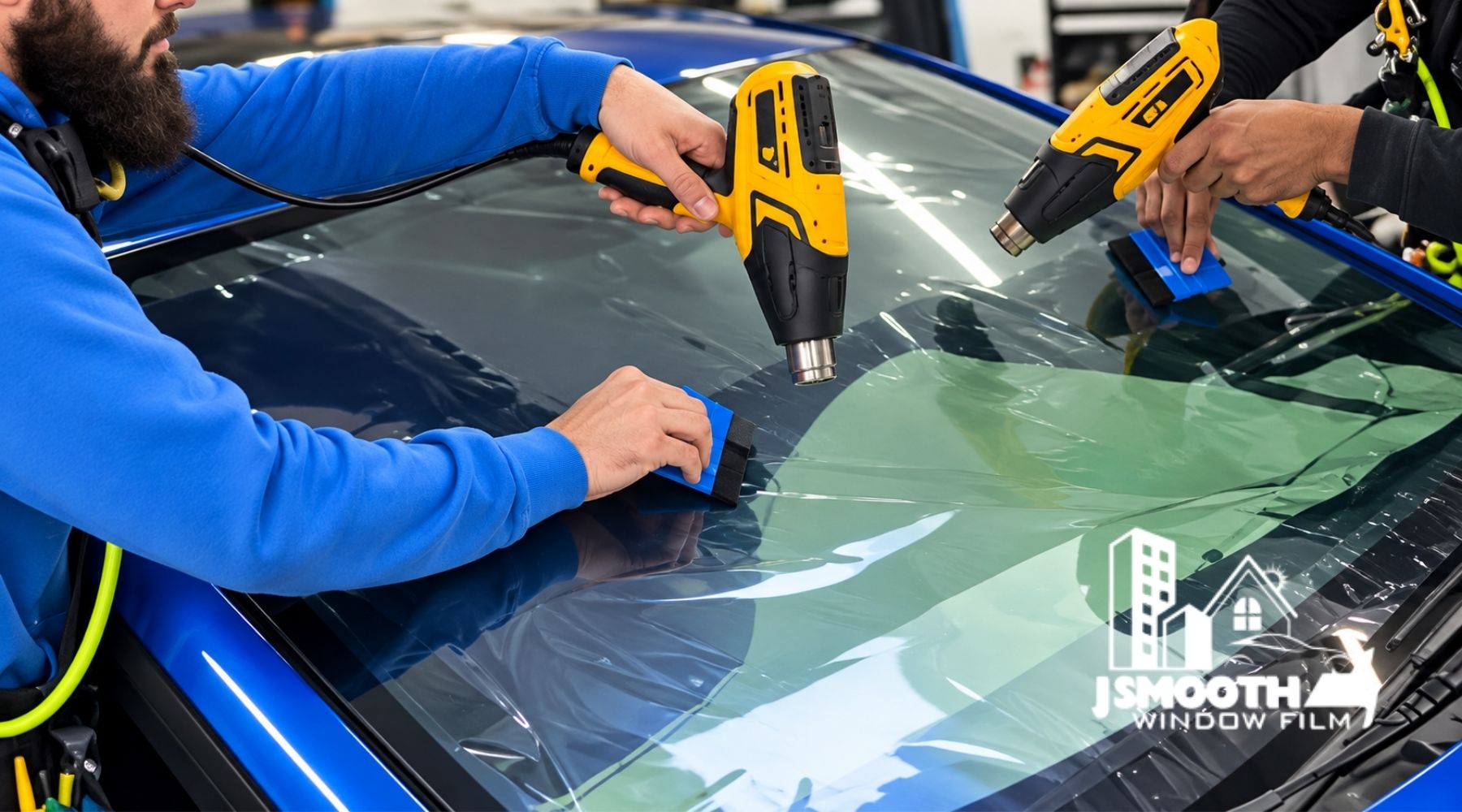
Proper preparation, accurate film shaping, clean application, edge finishing, and attention to detail all affect the final appearance and longevity of automotive window tint.
At J Smooth Window Tinting, we have spent more than 10 years working with automotive, residential, and commercial tint applications. That hands-on experience has taught us that choosing film is only part of getting the right result.
We take the time to understand what a customer wants from their vehicle and help match those priorities with an appropriate film option. Whether the goal is better heat rejection, additional privacy, UV protection, glare reduction, or a cleaner appearance, the choice should make sense for the driver, not simply follow whatever product happens to be the most expensive.
Choosing Between Ceramic and Traditional Window Tint in Middleborough
After more than a decade in the tinting business, we know there is no one-size-fits-all answer to Ceramic Window Tint vs Traditional Options. Dyed, carbon, metallic, and ceramic films each offer different benefits depending on your budget, driving habits, and comfort needs.
If you are choosing window tint in Middleborough, focus on more than darkness alone. Consider heat rejection, UV protection, VLT, durability, and how long you plan to keep your vehicle.
Learn more about J Smooth Window Tinting or request an automotive window tint quote to compare the best options for your vehicle.


Tue – Sat: 8:00 AM – 4:00 PM
Sun – Mon: Closed